Uganda
Uganda is Africa’s second largest coffee producer, producing both arabica and robusta. Production has doubled over the last 10 years from 3.5 million bags annually to close to 7 million. Almost all this is grown by smallholder farmers. Robusta dominates the central lowland regions, with arabica on the slopes of Mount Elgon in the east, on the flanks of the Ruwenzori range to the west, and in the southwestern highlands bordering the Queen Elizabeth National Park.
Coffee growing conditions across the country are excellent and in tandem with measures to improve productivity, there have also been significant investments in post-harvest processing.
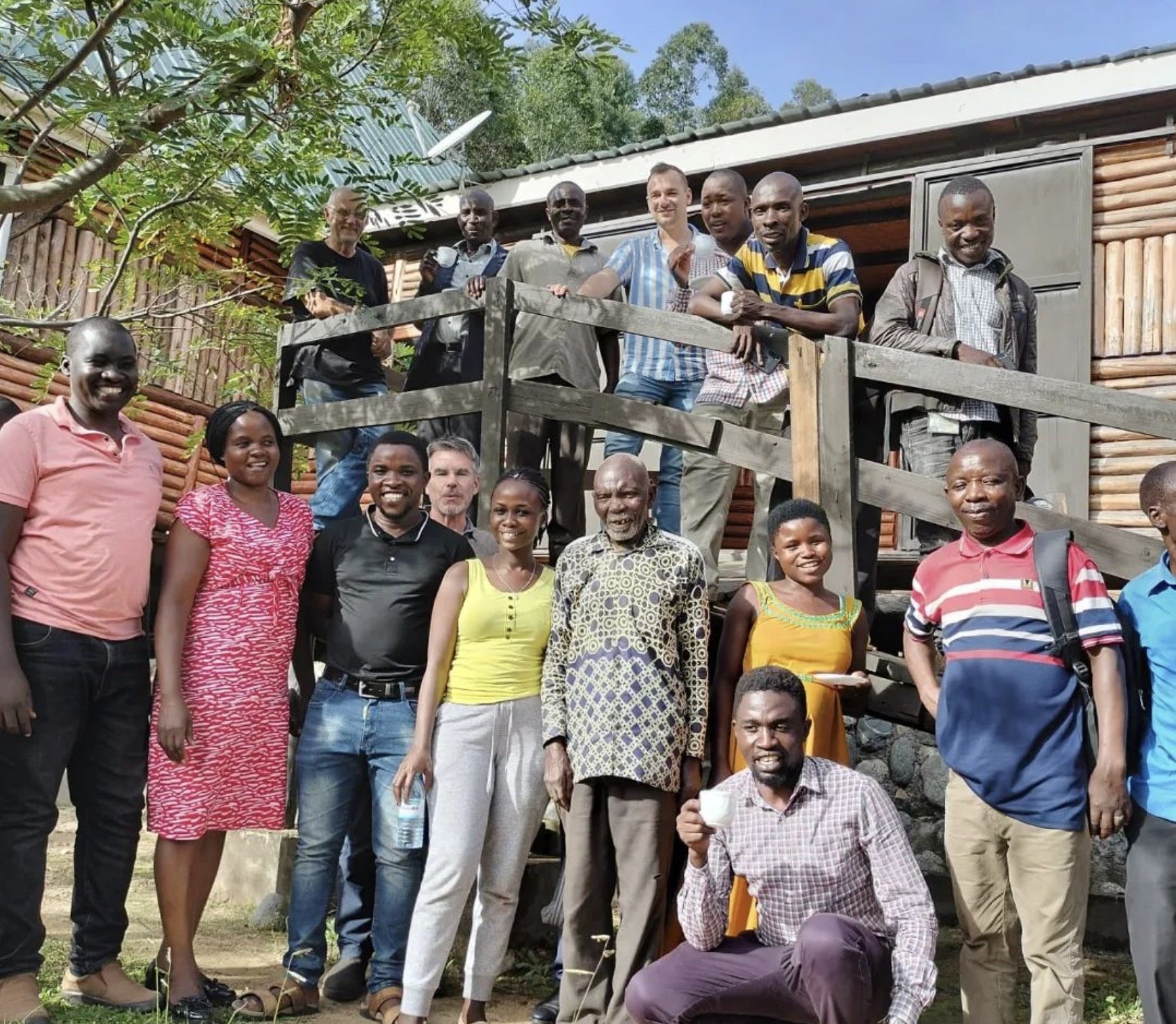
Historically farmer cooperatives played a key role in the Uganda coffee sector. However, the large cooperative unions were too inflexible to adapt to the demands of a liberalised coffee market in the 1990s. More recently cooperatives have undergone something of a resurgence, as smaller community-driven and farmer-focussed organisations. The leadership is dynamic and innovative, with key roles for women and younger people.
African Coffee Connect’s roots in the Uganda cooperative movement date back to 1993 when Richard Hide first visited. He has been involved ever since, and today we are excited to have a growing number of coops affiliated to ACC. Their focuses include building sustainable farms through agroforestry and diversification, adding value to their members’ coffees through high quality processing, traceability and certifications, and empowering women farmers and young farmers. They offer a full range of qualities including fully washed and specialty natural arabicas, high quality robustas and commercial coffees. Certifications include Fairtrade, Organic and Rainforest Alliance, and we are also delighted to be promoting coffees produced by groups of women and by groups of young people.